
Blueprint to Beauty: A Complete Guide to the Essential Stages of Every Interior Design Project
Behind every stunning home, stylish office, luxurious hotel, or modern retail space lies a carefully planned design journey. While many people admire the final appearance of a beautifully designed interior, few understand the extensive process that transforms an idea into a functional and visually appealing environment. Interior Design Project Stages is not simply about selecting furniture or choosing wall colors. Instead, it involves a series of organized stages that ensure every element works together to achieve the desired result.
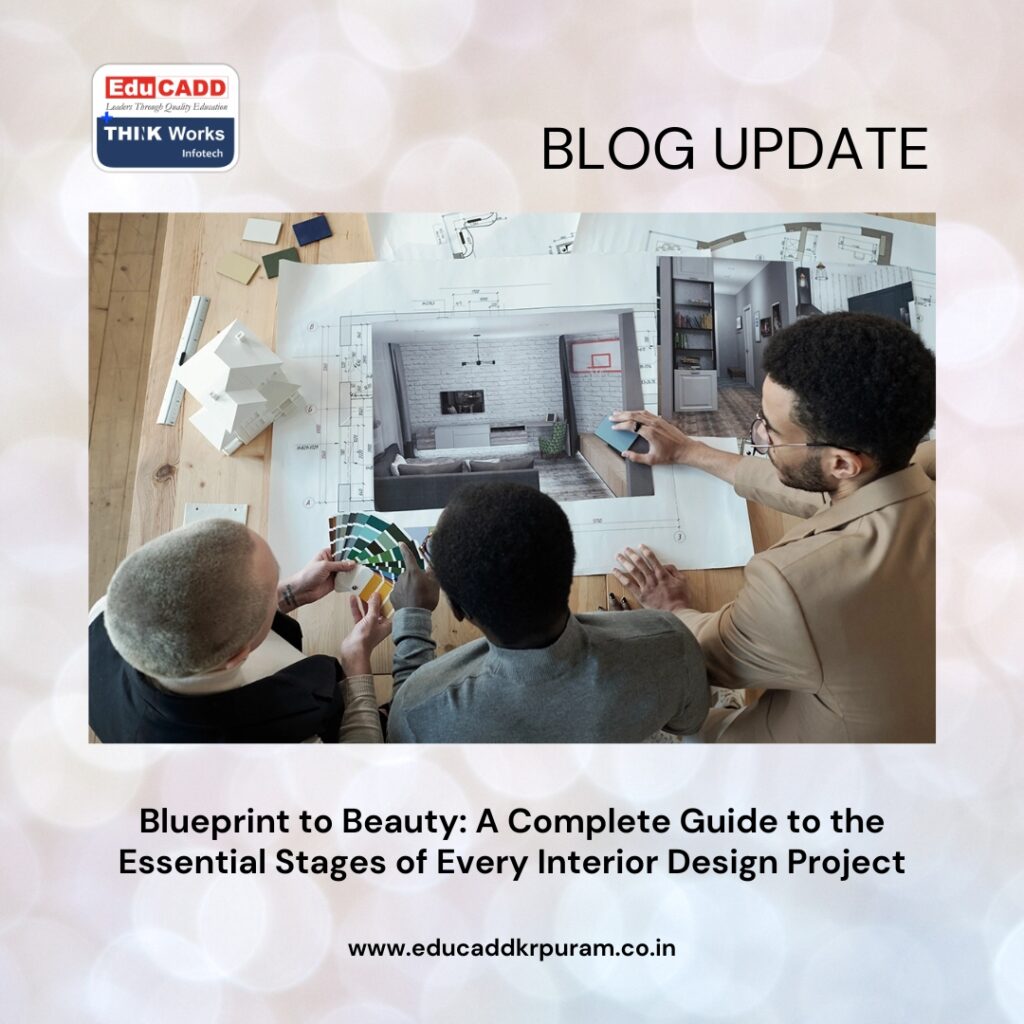
Interior Design Project Stages
The Interior Design Project Stages provide a structured approach that helps designers, clients, contractors, and suppliers collaborate effectively. Each stage serves a unique purpose, contributing to the overall success of the project. From understanding the client’s needs to managing construction and adding decorative finishing touches, every phase plays a significant role in shaping the final outcome. By following a systematic process, designers can create spaces that are practical, attractive, comfortable, and aligned with the client’s vision. Understanding these stages offers valuable insight into how professional interior designers bring creativity and functionality together to create exceptional spaces.
1. Project Discovery and Client Consultation
Every Interior Design Project Stages begins with a discovery phase where the designer and client meet to discuss expectations, goals, and requirements. This initial consultation establishes the foundation for all future decisions and allows both parties to develop a clear understanding of the project scope.
During these discussions, designers gather information about the client’s lifestyle, preferences, daily activities, aesthetic tastes, and functional needs. Budget expectations and project timelines are also reviewed in detail. Some clients may prefer a contemporary design style, while others may lean toward traditional, industrial, minimalist, or luxury interiors. Understanding these preferences early helps designers create solutions that reflect the client’s personality and aspirations.
This stage is particularly important because it ensures alignment between the client’s vision and the designer’s creative approach. Strong communication at the beginning reduces misunderstandings later and creates a collaborative environment that supports project success.
2. Site Analysis and Existing Condition Assessment
After gathering project requirements, designers conduct a thorough evaluation of the site. This stage focuses on understanding the physical characteristics of the space and identifying factors that may influence design decisions.
Measurements are carefully recorded, and designers examine architectural features, structural elements, natural lighting, ventilation systems, plumbing arrangements, and electrical installations. Photographs and notes are collected to document existing conditions.
Site analysis allows designers to identify both opportunities and challenges within the space. For example, large windows may provide excellent natural lighting, while structural columns may require creative planning solutions. Understanding these conditions helps designers develop realistic concepts that can be implemented effectively without unexpected complications.
A detailed site assessment also provides the technical information needed to create accurate plans and drawings in later stages.
3. Establishing Design Objectives and Project Strategy
Before creative work begins, designers define clear objectives and develop a strategic direction for the project. This stage involves translating the client’s needs into measurable design goals.
The designer determines how the space should function, what atmosphere it should create, and how it can support the client’s lifestyle or business operations. Every decision moving forward is guided by these objectives.
Design strategy may focus on improving functionality, maximizing available space, enhancing aesthetics, increasing comfort, promoting sustainability, or strengthening brand identity in commercial environments. Establishing clear priorities ensures consistency throughout the project.
A well-defined strategy provides a roadmap that guides design decisions and helps maintain focus during the development process.
4. Concept Creation and Design Story Development
The concept development Interior Design Project Stages represents the creative heart of the project. Designers begin transforming ideas into a cohesive design vision that reflects the established goals and project strategy.
Mood boards, inspiration collections, color studies, material samples, and visual references are assembled to communicate the proposed direction. Designers often develop a unique design story that influences every aspect of the project.
The concept serves as the creative foundation that connects all design elements. It establishes the visual language, emotional tone, and overall character of the space. Whether the objective is elegance, innovation, warmth, or sophistication, the concept provides a clear framework for achieving that vision.
Client feedback during this phase helps refine the concept and ensures alignment before moving into detailed planning.
5. Functional Space Planning and Zoning
An attractive interior must also perform efficiently. For this reason, space planning is one of the most critical stages in the design process. During this phase, designers determine how different areas will be organized and used.
Furniture placement, circulation routes, activity zones, storage solutions, and accessibility requirements are carefully considered. Designers analyze how occupants will move through the space and interact with various elements.
Effective space planning delivers numerous benefits:
- Improves comfort and usability throughout the environment.
- Creates better flow between different functional areas.
Whether designing a residential living room or a corporate office, thoughtful planning ensures that the space supports daily activities while maintaining visual harmony and balance.
6. Preparing Initial Design Layouts
Once the space plan is approved, designers begin creating preliminary layouts and visual representations. These drawings provide a clearer understanding of how the design concept will be applied within the physical environment.
Initial plans typically include floor layouts, furniture arrangements, and basic design elements. Designers may also develop hand sketches or digital renderings to communicate key ideas.
These visual tools help clients evaluate the proposed design and provide feedback before significant resources are invested. Revisions can be made during this stage, ensuring that the project remains aligned with client expectations.
The preliminary design phase acts as a bridge between conceptual thinking and technical development.
7. Selecting Materials and Surface Finishes
Material selection significantly influences the appearance, durability, and functionality of interior spaces. During this stage, designers carefully evaluate and choose materials that support the overall concept while meeting practical requirements.
Selections may include flooring systems, wall treatments, ceiling finishes, countertops, cabinetry materials, upholstery fabrics, and decorative surfaces. Designers consider performance characteristics such as durability, maintenance, sustainability, and cost.
Important selection criteria often include:
- Long-term durability and maintenance requirements.
- Visual appeal and compatibility with the design concept.
Choosing appropriate materials creates consistency throughout the project and contributes to the overall quality and longevity of the finished space.
8. Furniture Specification and Interior Styling Elements
Furniture plays a major role in defining both comfort and aesthetics. During this phase, designers identify furnishings that align with the project’s functional and visual objectives.
Selections may include sofas, chairs, dining tables, workstations, beds, storage units, and custom-built pieces. Decorative elements such as artwork, mirrors, rugs, lighting fixtures, and accessories are also considered.
Designers carefully evaluate dimensions, proportions, comfort levels, and material quality. Every piece must fit within the space while complementing the overall design language.
By combining functional furnishings with thoughtfully selected accessories, designers create environments that feel cohesive, inviting, and personalized.
9. Detailed Design Development and Technical Planning
As the project progresses, designers begin refining every aspect of the design and preparing detailed documentation. This stage transforms creative concepts into precise technical instructions.
Comprehensive drawings are produced to guide contractors and installers during implementation. These may include reflected ceiling plans, electrical layouts, lighting schemes, joinery details, wall elevations, and construction specifications.
Technical planning ensures that all design elements can be executed accurately and efficiently. It also helps identify potential issues before construction begins, reducing the risk of delays and costly modifications.
Detailed documentation serves as the blueprint for bringing the design vision to life.
10. Budget Evaluation and Cost Management
A successful Interior Design Project Stages must balance creativity with financial responsibility. During this stage, designers prepare detailed budgets and cost estimates based on approved design selections.
Every aspect of the project is analyzed, including materials, furnishings, labor, transportation, installation, and contingency expenses. Designers work closely with clients to ensure that financial expectations remain realistic.
When necessary, alternative products or solutions may be recommended to maintain design quality while staying within budget constraints. Effective cost management supports smoother project execution and prevents unexpected financial challenges.
Careful budgeting also helps clients make informed decisions throughout the project lifecycle.
11. Procurement and Supplier Coordination
Once the design and budget receive approval, procurement activities begin. This phase involves sourcing, ordering, and coordinating all products required for the project.
Designers communicate with manufacturers, distributors, suppliers, and vendors to secure materials and furnishings. They monitor production schedules, shipping timelines, and delivery arrangements to ensure smooth project progress.
Procurement management requires strong organizational skills because delays in one area can affect multiple aspects of the project. Designers carefully track every order and verify product quality before installation.
Efficient procurement contributes significantly to maintaining project schedules and achieving successful outcomes.
12. Construction, Installation, and Execution
This stage marks the physical transformation of the design from plans into reality. Contractors, craftsmen, electricians, plumbers, painters, and installers work together to implement the approved design.
Construction activities may involve demolition, structural modifications, flooring installation, wall treatments, lighting implementation, custom cabinetry fabrication, and furniture placement. Designers regularly visit the site to oversee progress and address challenges.
Close coordination among all stakeholders helps ensure that work proceeds according to schedule and design specifications. Effective communication is especially important during this phase because unexpected conditions occasionally arise during construction.
Watching the space evolve from drawings into a completed environment is often one of the most exciting parts of the project.
13. Quality Assurance and Final Inspections
Maintaining quality standards is essential for achieving professional results. During this phase, designers conduct detailed inspections to verify that all work meets project requirements.
Installations are reviewed carefully, materials are checked for consistency, and workmanship is evaluated against approved specifications. Any issues identified during inspections are documented and corrected before project completion.
Quality assurance helps ensure that every detail reflects the original design vision. It also protects the client’s investment by reducing the likelihood of future maintenance problems.
Thorough inspections contribute to a smoother handover process and increase overall client satisfaction.
14. Finishing Touches and Project Completion
The final stage focuses on styling the space and preparing it for occupancy. Decorative accessories, artwork, plants, textiles, and accent lighting are arranged to enhance the atmosphere and complete the design narrative.
Designers pay close attention to small details that create warmth, balance, and visual interest. These finishing touches often make the difference between a good interior and an exceptional one.
A final walkthrough is conducted with the client to review the completed work and confirm that all expectations have been fulfilled. Necessary documentation, warranties, maintenance guidelines, and operating instructions are provided before the project is officially handed over.
This stage celebrates the successful completion of the design journey and allows clients to begin enjoying their transformed space.
Conclusion
Every remarkable interior begins with a vision, but achieving that vision requires a structured and carefully managed process. The Interior Design Project Stages provide a roadmap that guides ideas from concept to completion while ensuring efficiency, quality, and client satisfaction. Each phase contributes to the overall success of the project, from understanding requirements and developing creative concepts to managing procurement, overseeing construction, and delivering the finished environment.
By following a systematic approach, interior designers can balance creativity with functionality, aesthetics with practicality, and innovation with budget considerations. Whether designing a residential home, a corporate workspace, a hospitality venue, or a retail establishment, these stages create the framework necessary for transforming ordinary spaces into extraordinary experiences. Understanding this journey highlights the expertise, planning, and dedication that professional interior designers bring to every project.

